
Sharia
The Department of Sharia is committed to the academic and practical preparation of students in the fields of Islamic jurisprudence, its principles, Islamic legislation, and related contemporary legal systems. The department emphasizes a strong adherence to Islamic values and promotes a balanced, moderate approach in discussion and analysis. Striving to bridge tradition and modernity, the department draws from the rich heritage of Islamic law while engaging with contemporary issues. It addresses modern jurisprudential challenges and offers Sharia-based solutions that align with the objectives of Islamic law and respond to the evolving needs of society.
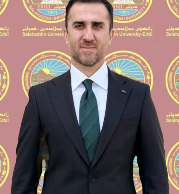
Name: Dr. Rebaz Sdiq Ismail
Title: Head of Sharia Department
Contact Information:
Email: [email protected]
Phone: +964 750 4677650
Department Address: 1st Floor, College of Islamic Sciences Building
Social Links: https://academics.su.edu.krd/rebaz.ismail
The Department of Sharia was established in the academic year 2001–2002 within the College of Islamic Sciences at Salahaddin University. The department strives to be a well-established scientific methodology in transmitting Islamic sciences, with attention to contemporary thought and the objectives of Sharia, and benefiting from rational and transmitted sciences. Dr. Ribaz Sadiq Ismail, Head of the Sharia Department – College of Islamic Sciences – Salahaddin University / Erbil. Educational Qualifications: Bachelor's: Islamic Sciences – Salahaddin University – 2005. Scholarly Ijazah: Under the tutelage of scholar Mullah Abdul Qadir Baharki – 2009. Master's: Islamic Jurisprudence – Al-Azhar University (Cairo) – 2014. Doctorate: Comparative Jurisprudence and Law – Salahaddin University – 2023. Professional Social Network Accounts:
https://www.researchgate.net/profile/Rebaz-Ismail
https://scholar.google.com/citations?user=_hPJ4V4AAAAJ&hl=ar&scioq=rebaz+sdiq
https://www.linkedin.com/in/rebaz-ismail-07268b2a2/
- Serving the people and the country as a religious and moral duty.
- Finding solutions to current events in the light of the objectives of Islamic Sharia.
- Following the idea of moderation and religious coexistence among all communities.
- Combating extremist thought, terrorism and intimidation. .
1- Specialized Knowledge:
- Understanding the fundamental principles of Islamic Sharia and its sources: Quran, Sunnah, Ijma (consensus), and Qiyas (analogical reasoning).
- Knowledge of Fiqh (Islamic jurisprudence) and its اصول (usul - principles), Aqidah (creed), Tafsir (Quranic exegesis), Hadith (prophetic traditions), and Hadith Sharif.
- Familiarity with the history of Islamic Fiqh and the various schools of thought (madhahib).
2- Professional Skills:
- Ability to analyze jurisprudential issues and exercise ijtihad (independent reasoning) in a systematic manner.
- Formulating Sharia rulings clearly and based on Sharia evidence.
- Utilizing Sharia sources and digital libraries in scientific research.
3- Research and Academic Skills:
- Conducting scientific research in Sharia fields using academic methodology.
- Evaluating and analyzing evidence and Sharia texts critically and objectively.
- Writing scientific reports and articles according to academic research standards.
4- Personal and Communication Skills:
- Ability to communicate effectively with the community and convey Sharia knowledge clearly.
- Commitment to Islamic values and professional ethics in practicing Sharia work. Working within research teams or groups and engaging in community participation.
5- Technical Skills:
- Using basic computer programs and electronic sources for research and study.
- Employing technology in Islamic education and teaching. 6- Values and Attitudes:
- Promoting Islamic values such as justice, mercy, trustworthiness, and honesty.
- Respecting cultural and religious diversity when issuing fatwas (religious edicts) or teaching.
- Commitment to continuous learning and self-development in the Sharia field
Undergraduate Study
The Sharia Department at Salahaddin University is a strong option for specializing in Islamic jurisprudence within a structured and long-term academic environment, offering diverse opportunities for graduates in educational, judicial, research, and Sharia-related service fields. Duration of Study: The Bachelor's program typically ranges from 4 years of full-time study, comprising between 154 to 164 credit hours. Program Content and Specializations: The curriculum includes areas such as Fiqh (Islamic Jurisprudence), Usul al-Fiqh (Principles of Islamic Jurisprudence), Fiqh Rules, Islamic Financial Transactions, Arabic Language, and other disciplines related to Sharia sciences. The department's goals revolve around preparing specialized personnel to work in the judiciary, Islamic banks, Sharia courts, education, and religious guidance, in addition to enriching scientific and intellectual research in the field of Sharia. University Vision: The university's vision focuses on spreading moderate Islamic thought, benefiting from rational and transmitted sciences, dealing with contemporary developments, and combating intellectual extremism. Academic Year: Typically starts in mid-September and ends in early July, divided into two semesters, each approximately 15 weeks long, with an academic calendar extending for 30 weeks annually.
Postgraduate Study
The Sharia Department at the College of Islamic Sciences, Salahaddin University, grants academic degrees in: Higher Diploma Master's Doctorate) P.HD) 1- Higher Diploma and Certificate Programs: "In this stage, the student studies the following subjects and is awarded a Higher Diploma in Islamic Sharia: - Jurisprudential Maxims (Al-Qawa'id al-Fiqhiyyah) - Usul Fiqh Maxims (Al-Qawa'id al-Usuliyyah) - Contemporary Issues in Family Jurisprudence (Qadaya Mu'asirah fi Fiqh al-Usrah) - Developments in Financial Jurisprudence (Mustajiddat fi Fiqh al-Amwal) - History of Islamic Legislation (Tarikh al-Tashri). 2- Master of Science (M.Sc.) in sharia of Islamic: Examples of Master's degree curricula, where students, after writing and defending their thesis in a scientific session, are awarded a Master's degree in Islamic Sharia according to their specialization: - Methodologies of Usuli Deduction (Principles of Islamic Jurisprudence) - The Islamic Epistemological System - Discussions in the Jurisprudence of International Relations - Research Methodology - Computer Science. ECTS Distribution: The program comprises 120 ECTS over two academic years: Coursework (60 ECTS): Advanced topics in sharia of Islamic science Research Thesis (60 ECTS): An independent research project culminating in a thesis defense. 3- Doctor of Philosophy (Ph.D.) in sharia of Islamic science: Doctoral Program Curriculum Samples - Sharia Department Upon completion of the dissertation, the student is awarded a Ph.D. in the Sharia Department, according to their specialization. Here are some examples of course topics: - Discussions in Jurisprudential Maxims (Mabahith fi al-Qawa'id al-Fiqhiyyah) - Advanced Studies in the Objectives of Sharia (Dirasat Mutaqaddimah fi Maqasid al-Sharia) - Advanced Studies in the Jurisprudence of Judiciary (Dirasat Mutaqaddimah fi Fiqh al-Qada') - Research and Investigation Methodology (Manhaj al-Baht wa al-Tahqiq) - Rules in Islamic Finance (Qawa'id fi al-Maliyah al-Islamiyyah)
Program Learning Outcomes
1- Specialized Knowledge: - Understanding the fundamental principles of Islamic Sharia and its sources: Quran, Sunnah, Ijma (consensus), and Qiyas (analogical reasoning). - Knowledge of Fiqh (Islamic jurisprudence) and its اصول (usul - principles), Aqidah (creed), Tafsir (Quranic exegesis), Hadith (prophetic traditions), and Hadith Sharif. - Familiarity with the history of Islamic Fiqh and the various schools of thought (madhahib). 2- Professional Skills: - Ability to analyze jurisprudential issues and exercise ijtihad (independent reasoning) in a systematic manner. - Formulating Sharia rulings clearly and based on Sharia evidence. - Utilizing Sharia sources and digital libraries in scientific research. 3- Research and Academic Skills: - Conducting scientific research in Sharia fields using academic methodology. - Evaluating and analyzing evidence and Sharia texts critically and objectively. - Writing scientific reports and articles according to academic research standards. 4- Personal and Communication Skills: - Ability to communicate effectively with the community and convey Sharia knowledge clearly. - Commitment to Islamic values and professional ethics in practicing Sharia work. Working within research teams or groups and engaging in community participation. 5- Technical Skills: - Using basic computer programs and electronic sources for research and study. - Employing technology in Islamic education and teaching. 6- Values and Attitudes: - Promoting Islamic values such as justice, mercy, trustworthiness, and honesty. - Respecting cultural and religious diversity when issuing fatwas (religious edicts) or teaching. - Commitment to continuous learning and self-development in the Sharia field
Course catalog
Course catalog The Department of Sharia at the College of Islamic Sciences, Salahaddin University-Erbil offers a general specialization under the title "Philosophy of Islamic Sharia." sharia and Petroleum Program First Semester: • English for University Students. • Computer Skills. • Educational Psychology. • Kurdish Studies. • Quranic Sciences. • Jurisprudence of Purity and Prayer (Fiqh of Tahara and Salat( • Teaching Arabic Language (Spelling and Composition). Second Semester: • English Language. • AI (Artificial intelligence). • Introduction to Sharia Studies. • Academic Skills. • Recitation and Tajweed (Rules of Quran Recitation). • Zakat and Fasting System. • Arabic Language Instruction (Conversation). Third Semester: • Jurisprudence of Financial Transactions. • Hadith Sciences (Narration). • Introduction to Usul al-Fiqh (Principles of Islamic Jurisprudence). • Arabic Grammar (Nominative Cases(. • Introduction to the Study of Law. • English Language. • Elective Subject (History of Islamic Legislation + Etiquette of Disagreement). Fourth Semester: • Introduction to Islamic Economics. • Hadith Sciences (Diraya( • Agreed-upon Evidences for Rulings • Morphology (Arabic Grammar). • Civil Law (Obligations). • English Language. • Elective Subject (Fiqh of the Seerah + Rules for Dealing with the Sunnah). Fifth Semester: • Interpretation of Verses of Rulings (Tafsir of Ayatul Ahkam(. • Islamic Creed - Theology (Ilahiyyat(. • Grammar - Accusatives (Mansubat( • Principles of Islamic Jurisprudence (Usul al-Fiqh) - Discussions on Rulings (Mabahith al-Hukm(. • Fiqh of Inheritance. • Teaching Methods. • Elective Subject (Fiqh of Personal Status: Will and Alimonies + Fiqh of the Family: Marriage and Divorce) Sixth Semester: • Analytical Interpretation and Memorization. • Islamic Theology - Prophethoods and Auditories (matters known through revelation/hearing(. • Rhetoric. • Principles of Islamic Jurisprudence (Ijtihad and Taqlid - independent reasoning and following(. • Objectives of Sharia (Maqasid al-Sharia(. • Research Methodology. • Elective Subject (Sociology of Religion + Fatwa and its Etiquettes). Seventh Semester: • Legal Maxims (or Fiqh Principles( • Foundations of Disagreement among Jurists. • Jurisprudence of Judiciary (or Fiqh of Judiciary(, • Evidences for Disputed Rulings. • Elective Subject (Jurisprudence of Pluralism + Jurisprudence of Ethics(. • Grammar (Arabic Grammar(. • Graduation Research Project (or Final Research Project(. Eighth Semester: • Foundational Principles (or Usul al-Fiqh Rules(. • Issues in Comparative Jurisprudence. • Jurisprudence of Crimes and Punishments (or Fiqh of Criminal Law and Hudud(. • Semantics of Words in Usul al-Fiqh. • Selected Subject (Jurisprudence of Citizenship + Jurisprudence of Administration(. • Logic. • Graduation Research Project (or Final Research Project(. "This catalog ensures that students in the Sharia Department acquire Sharia knowledge and scientific and practical skills, qualifying them for successful careers in the fields of Ifta (issuing religious edicts), education, Dawa (Islamic proselytizing), scientific research, and community service."
Admissions
The Sharia Department at Salahaddin University-Erbil offers full academic programs (Bachelor's, Master's, PhD) in the philosophy of Islamic Sharia according to the Bologna system. It aims to qualify students for consulting, research, educational, and judicial work in line with contemporary requirements.
The Sharia Department at Salahaddin University provides its graduates with diverse opportunities in various fields, such as:
- Deputy Judge. - Consultant in Islamic banks. - Teacher of Islamic Education and Arabic Language. - Imam and Preacher. - Human Development Coach.
Graduate Employability
The Sharia Department at Salahaddin University provides its graduates with diverse opportunities in various fields, such as: - Deputy Judge. - Consultant in Islamic banks. - Teacher of Islamic Education and Arabic Language. - Imam and Preacher. - Human Development Coach.
Academic Advising
Academic advising in the Sharia department is a service designed to help students choose courses and understand the study plan, while providing educational, psychological, and social support. It aims to qualify them academically and professionally to be capable of serving society in various fields of Sharia.
Internship Opportunities
Students in the Sharia department have access to diverse training opportunities, including Sharia courts and Dar al-Ifta (Fatwa councils) to hone their judicial and fatwa skills, and mosques and outreach centers to gain experience in preaching and guidance. Additionally, educational and financial institutions offer training in teaching and Islamic banking transactions. These programs contribute to connecting theoretical knowledge with practical application, preparing graduates to work efficiently in Sharia, legal, and outreach fields.
Career Services
The Sharia department is not limited to religious vocations only; rather, it opens up broad horizons in the fields of education, law, Islamic economics, media, and Sharia consultations.